
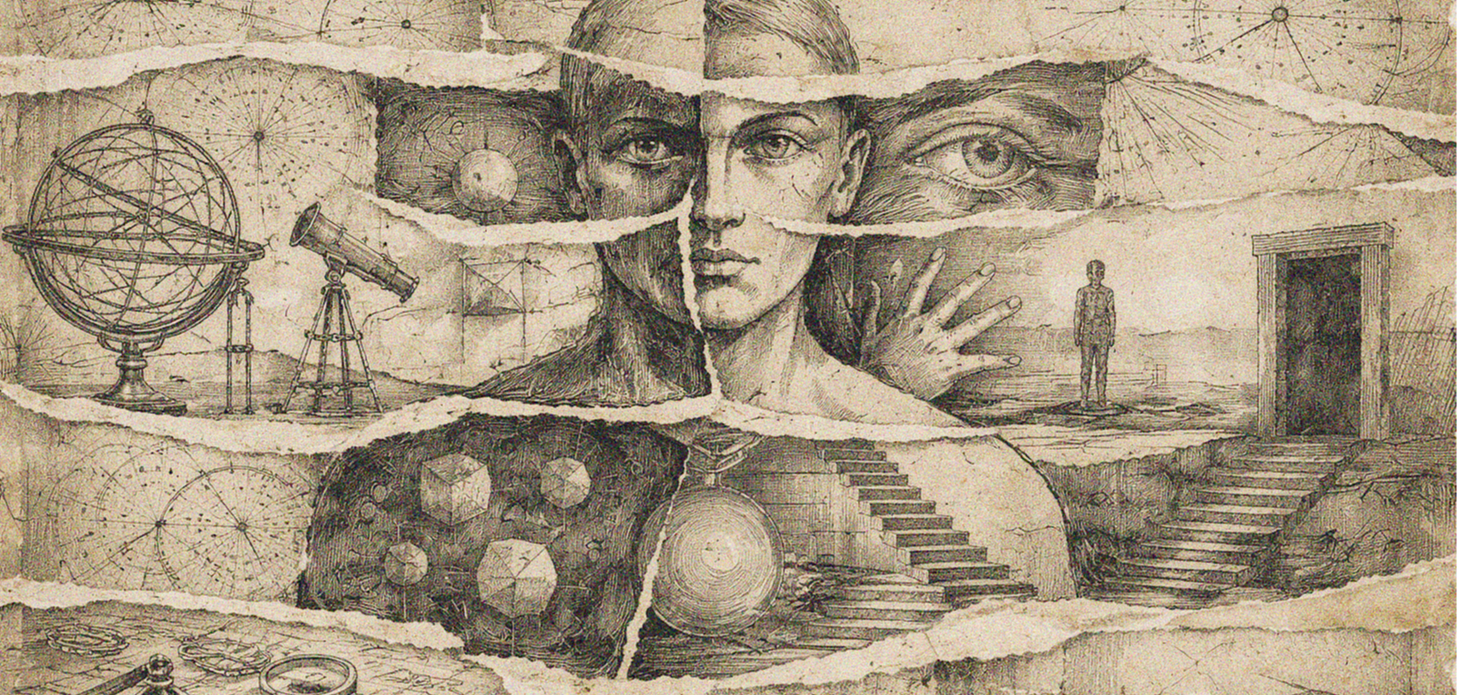
Philosophical Perspectives 2
Course Code
HUMA 11600 20
Course Description
This sequence considers philosophy in two lights: as an ongoing series of arguments addressed to certain fundamental questions about the place of human beings in the world and as a historically situated discipline interacting with and responding to developments in other areas of thought and culture. Readings tend to divide between works of philosophy and contemporaneous works of literature, but they may also include texts of scientific, religious, or legal practice.
This section explores metaphysical and epistemological questions as they confronted participants and spectators of the 'scientific revolution'. Problems of skepticism, self-understanding and the social status of knowledge are at the fore. Authors tend to include Descartes, Newton, Voltaire, and Mary Shelley, among others.
Course Criteria
This course is only open to incoming UChicago transfer students; please see the Summer Session Incoming Transfer Students page to apply.
This course must be taken alongside HUMA 11500, Philosophical Perspectives I, as well as an afternoon writing course.
Instructor(s)
Thomas Kaspers
Other Courses to Consider
These courses might also be of interest.
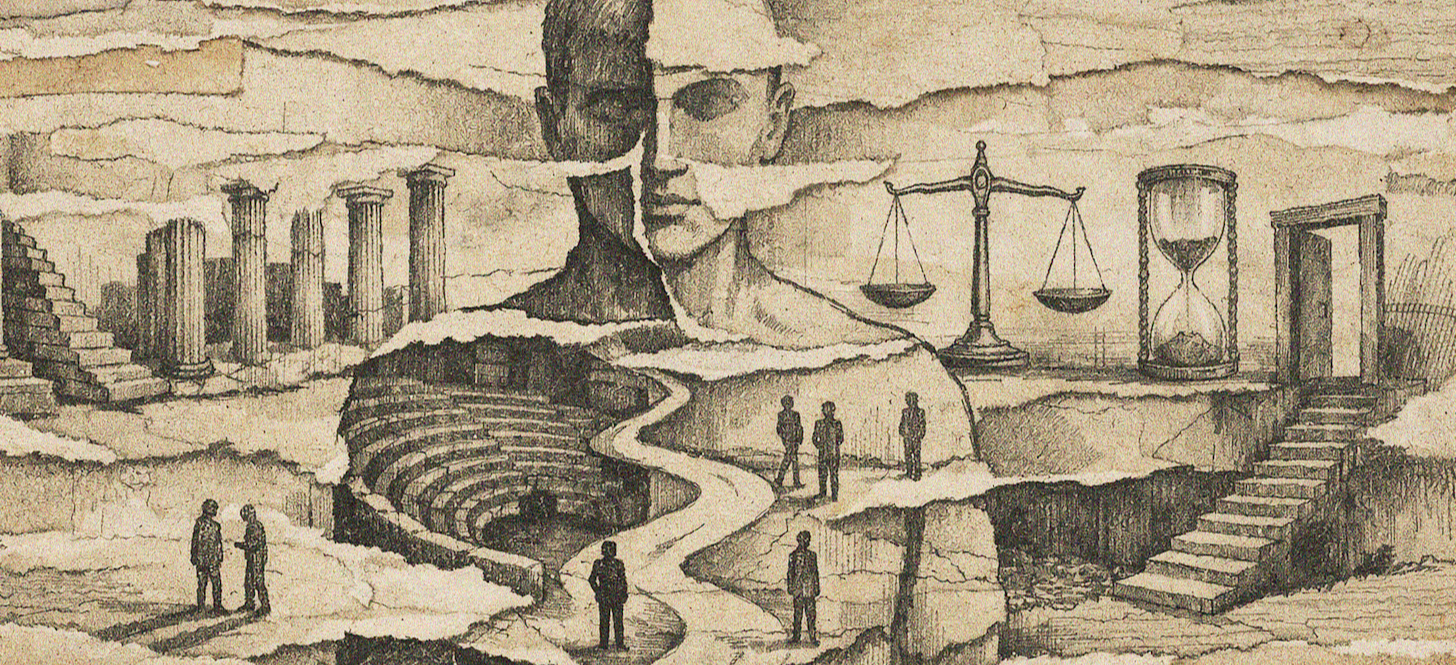 Philosophical Perspectives 1
This sequence considers philosophy in two lights: as an ongoing series of arguments addressed to certain fundamental questions about the place of human beings in the world and as a historically situated discipline interacting with and responding to developments in other areas of thought and culture. Readings tend to divide between works of philosophy and contemporaneous works of literature, but they may also include texts of scientific, religious, or legal practice.
This section will examine fundamental ethical issues--about virtue, the good life, and the role of the individual in society--in the works of ancient Greek writers as well as 20th-century writers in conversation with them. Texts are drawn from Plato, Aristotle, the Greek tragedians, Martin Luther King and others.
Residential